Curtain selection becomes confusing once you start planning. Window sizes vary more than expected, and walls are not always straight. Many people assume standard curtains will work everywhere, but that rarely happens. Even small miscalculations create gaps or uneven edges. Room lighting also changes how fabric appears once installed. Taking time before buying prevents unnecessary adjustments later. A careful approach helps curtains sit naturally instead of looking misplaced.
Basics Of Measuring For Curtains
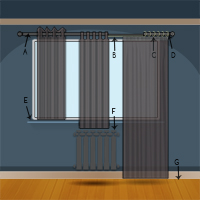
Getting dimensions right takes patience and attention. When measuring for curtains, always begin with the width before thinking about height. Measuring across the rod usually gives better balance. Some people measure only the window frame, which creates narrow coverage. Extra width allows curtains to gather naturally. Fabric needs space to fold and move comfortably. These adjustments help curtains appear fuller after installation.
Checking Height And Spacing
Height measurement often gets overlooked during planning. While measuring the curtains, consider where the rod will sit. Hanging slightly higher can make windows appear taller. Floor length also depends on preference and room layout. Some prefer a slight gap, while others choose floor touch. Taking two measurements helps avoid uneven edges. Small differences become noticeable once the curtains extend.
Fabric Weight And Measurements
Fabric thickness influences how measurements should be planned. Heavy fabrics require more width for smoother folds. When measuring for curtains, this becomes important for balanced draping. Lightweight fabrics usually need less adjustment but still require spacing. Ignoring fabric weight sometimes causes bunching near the rod. Careful planning helps maintain a clean appearance. Measurements and fabric choice should work together.
Avoiding Common Measurement Errors
Simple mistakes happen easily when planning curtain placement. When measuring the curtains, checking both sides prevents uneven hanging. Walls may appear straight, but small differences exist. Measuring from multiple points helps reduce errors. Some people forget to consider curtain rings or track movement. These overlooked details affect final placement. Careful checking helps avoid adjustments after installation.
Final Adjustments And Balance
After measurements, small refinements still matter. When measuring for curtains, final spacing ensures symmetry across the window. Slight rod adjustments improve alignment. Even folds help fabric settle naturally over time. Taking another quick measurement before ordering adds confidence. These checks prevent uneven hanging. Balanced placement helps curtains complement the room naturally.
Conclusion
Accurate curtain measurements help create a clean interior without repeated adjustments. Professional options available through voilavoile.com/uk/ support precise sizing and consistent fabric choices for different window styles. Careful planning, checking measurements, and reviewing placement ensure curtains sit naturally and enhance the space. Small preparation steps prevent installation issues and improve satisfaction. Take time to evaluate window dimensions carefully and proceed confidently to achieve a polished, practical, and balanced curtain setup.


No comments:
Post a Comment